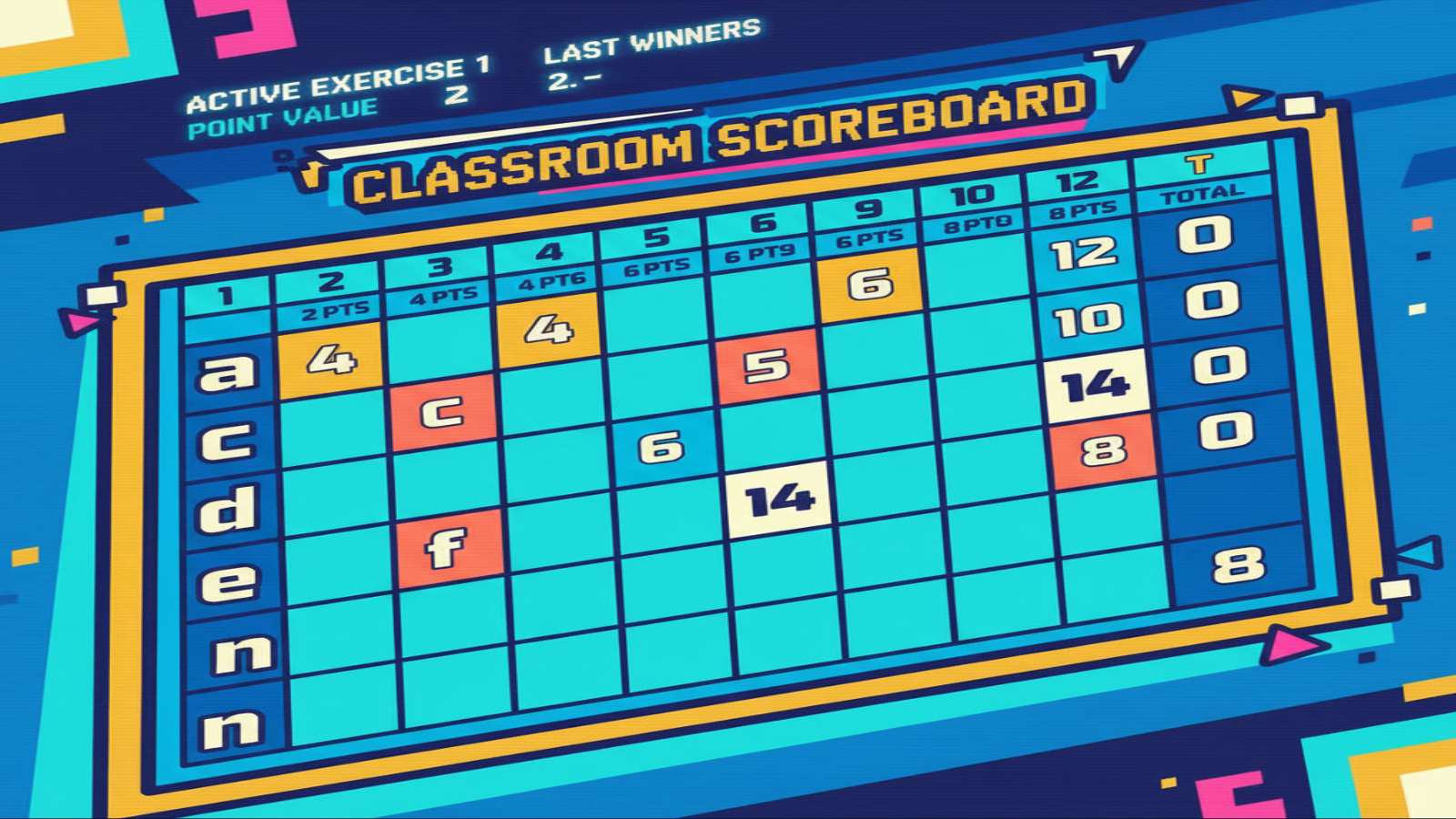
The class faces story choices instead of a fixed sequence of questions.
 LAST BELL STUDIO
01 / CLASSROOM GAMES
LAST
TRAIN HOME
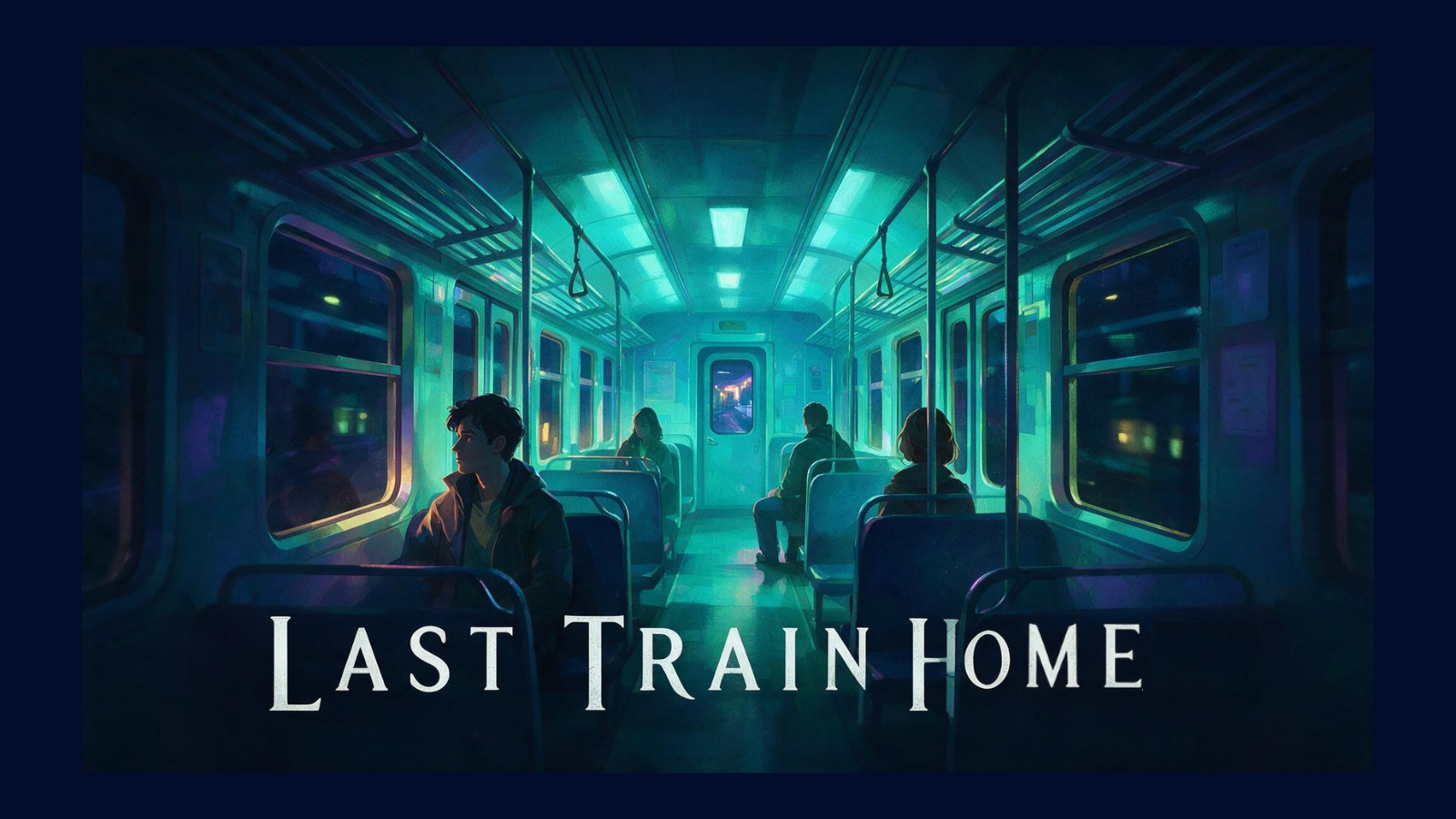
A strange final train. A class deciding what happens next.
STORY GAMECLASS DISCUSSIONMULTIPLE ENDINGSTUTORIAL MODE
WHAT IT DOES
BUILT FOR CLASS.
Students have a reason to explain, predict and persuade before choosing.
Move through the story together at the pace that fits the room.
THREE STEPS
HOW IT WORKS.
Introduce the situation and the first strange detail.
Let students argue for the choice they think is safest or smartest.
Reveal what happens and move into the next decision.
TEACHER FIELD NOTES
Use uncertainty to start a conversation.
Last Train Home is a choice-driven story set on a strange final train. The class discusses what seems sensible, chooses a response and discovers the consequence. Multiple endings give the decisions a purpose beyond completing a fixed set of comprehension questions.
Match the story to your learners
Preview it for a class that can follow short narrative text and discuss possible outcomes. Secondary learners or confident older primary learners may find the setting useful for speaking practice, depending on their English and comfort with suspense. These are teaching suggestions, not a formal reading-level assessment.
Try a prediction-and-evidence routine
After reading a scene, ask pairs to separate what they know from what they are guessing. One learner proposes a choice; the other asks, “Why do you think that?” Invite two contrasting opinions before the class decides. After the consequence, ask which prediction was closest and what detail students missed.
Plan around twenty to thirty minutes for a discussion segment and allow longer if students want to debate. You do not have to race through the story. A useful exchange about one decision can be more valuable than reaching an ending with very little student talk.
Make room for quieter speakers
Give everyone a few seconds to write a reason before asking for answers. Rotate who reports for each pair, and allow a partner to help reformulate a sentence. Useful language includes “It might…”, “If we…, then…” and “That seems safer because…”.
What equipment is needed?
Use a teacher-controlled browser and a screen the class can read. Preview Tutorial Mode and test your sound setup before the lesson. Students can participate without individual logins or devices; paper is enough for predictions and a final reflection.
Is there one correct route to teach?
Treat the choices as opportunities to explain and revise an opinion. Ask learners to justify a response using the situation rather than guessing the teacher’s preference. At the end, compare an early decision with a later one and discuss how the class’s information changed.
TUTORIAL
SEE IT IN ACTION.
BUILT-IN TUTORIAL MODE
LEARN THE GAME BY USING IT.
The interactive tutorial teaches the discussion, choice and consequence flow inside the game. The video is there when you want a longer walkthrough.
KEEP BROWSING